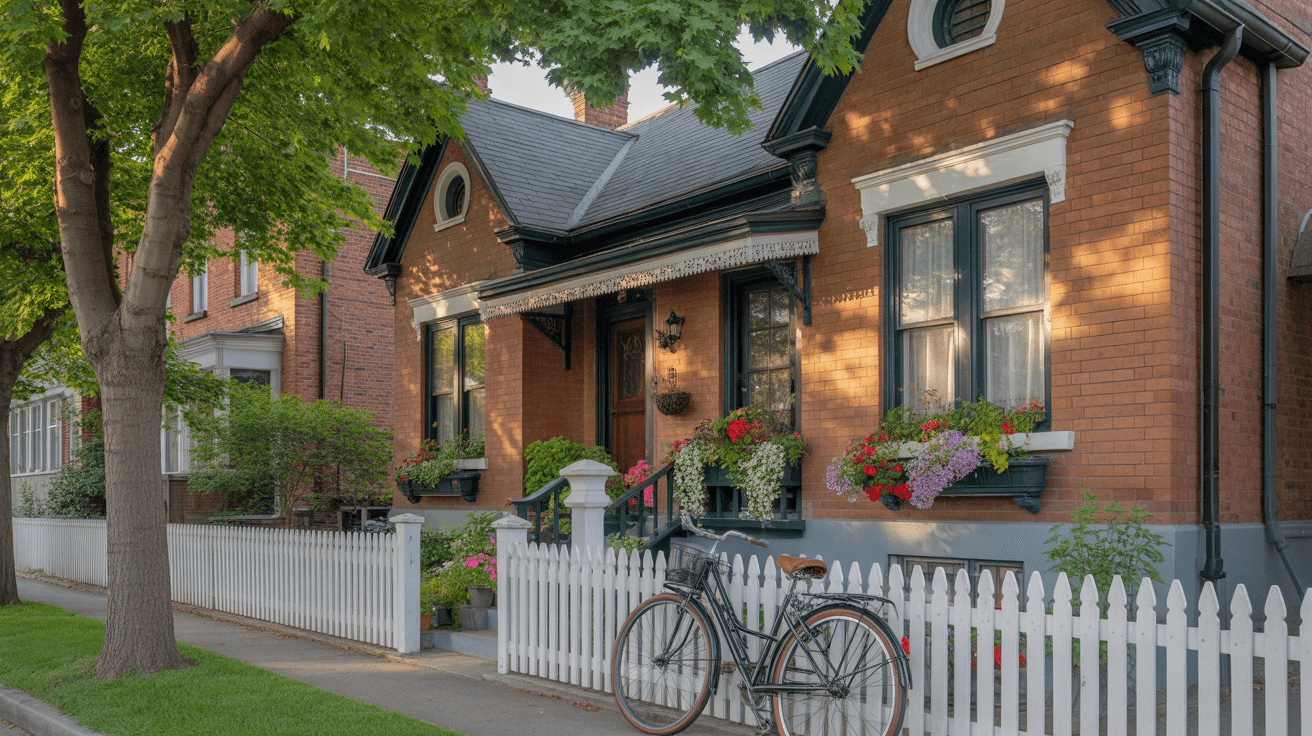
Toronto's Most Underrated Neighbourhoods for 2026
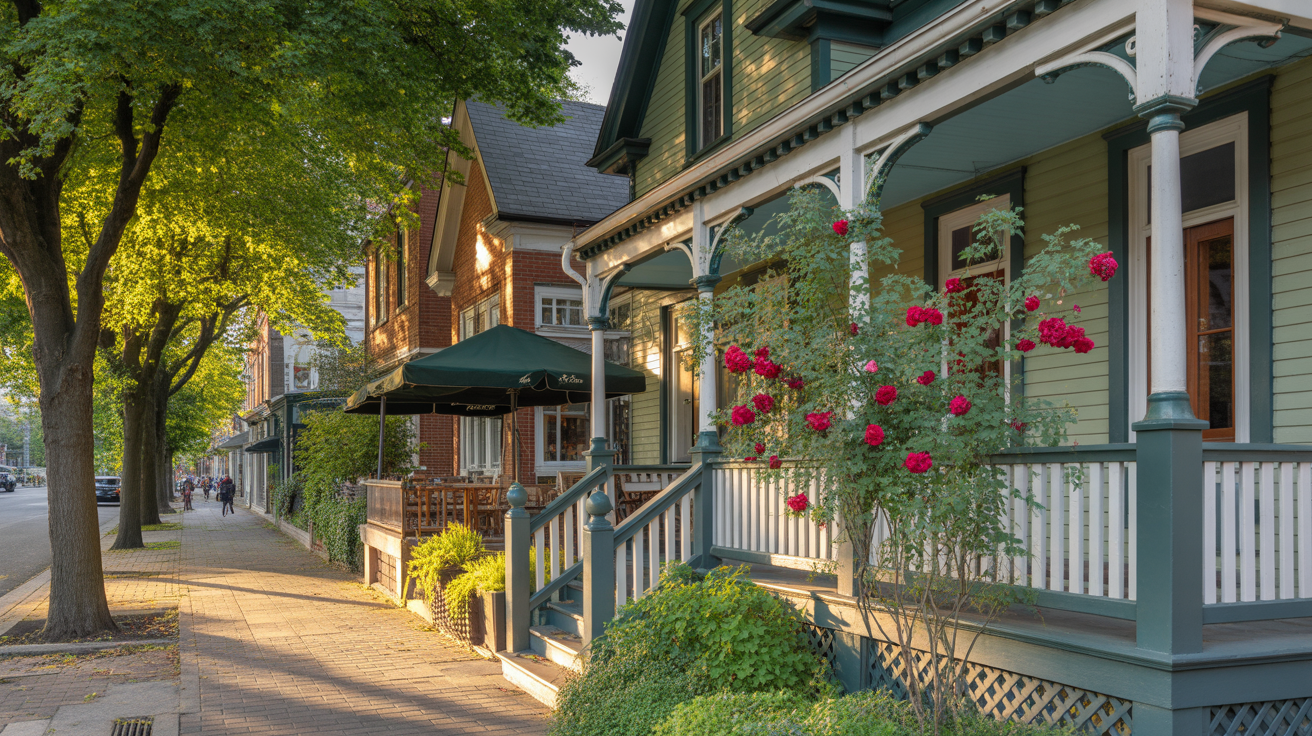
Ask someone who has never lived in Toronto to name a neighbourhood and you will hear the same handful: The Annex, Liberty Village, Yorkville, maybe Queen West. These are fine places. They are also the neighbourhoods that show up in every listicle, every relocation guide, and every real estate ad. They are priced accordingly.
But Toronto has over 160 distinct neighbourhoods, and some of the most interesting ones are the ones nobody writes about. These are the areas where long-time residents quietly buy their first home, where the best restaurants have no Instagram presence, and where you can still find genuine community without paying a premium for the privilege.
We spent months exploring these areas — walking the streets on Tuesday evenings, not just Saturday afternoons — and talking to the people who actually live there. Here are eight neighbourhoods that deserve far more attention than they get.
Quick Comparison
| Neighbourhood | Avg. 1BR Rent | Transit Access | Vibe | Best For |
|---|---|---|---|---|
| Corso Italia | $1,500–$1,900 | Moderate | Old-world Italian, authentic | Foodies, culture seekers |
| The Junction | $1,800–$2,300 | Good | Craft-brewery creative | Young couples, beer lovers |
| East Danforth | $1,600–$2,100 | Very Good | Family-friendly, green | Families, value seekers |
| Mimico | $1,700–$2,200 | Excellent (GO) | Waterfront, suburban-urban | Commuters, nature lovers |
| Wychwood | $1,700–$2,100 | Good | Artsy, quiet | Artists, remote workers |
| Birchcliffe-Cliffside | $1,400–$1,800 | Moderate | Bluffs access, tight-knit | Outdoor enthusiasts |
| Long Branch | $1,500–$1,900 | Excellent (GO) | Small-town waterfront | Families, dog owners |
| Oakwood Village | $1,400–$1,800 | Very Good | Diverse, central, real | Budget-conscious urbanites |
1. Corso Italia: Toronto's Most Authentic Food Neighbourhood
Forget the overpriced Italian spots on King West. Corso Italia, centred along St. Clair Avenue West between Lansdowne and Dufferin, is where Toronto's Italian community has been eating for generations — and the food reflects it. This is not a neighbourhood that has been "discovered" and gentrified beyond recognition. It is a neighbourhood that has been quietly excellent for decades.
What makes it underrated: Walk along St. Clair on a summer evening and you will pass family-run gelaterias, espresso bars where the regulars have been coming since the 1970s, and bakeries selling sfogliatelle that rival anything you will find in Naples. The annual Corso Italia Toronto Fiesta brings the street alive every June, but the neighbourhood does not need a festival to have energy. It just has it, year-round.
The real numbers: One-bedroom apartments run $1,500–$1,900, which is remarkable for a neighbourhood this close to midtown. The St. Clair streetcar (512) provides a direct connection to St. Clair West station on Line 1, making downtown accessible in about 25 minutes. Walk score hovers around 85.
Best for: Food lovers who want authenticity over ambiance, and anyone who wants a genuinely affordable neighbourhood with real character.
2. The Junction: The Neighbourhood That Figured It Out
A few years ago, The Junction was on every "up-and-coming" list. Now it has arrived — but it still has not tipped into overpriced territory. Centred around Dundas Street West near Keele, this former industrial area was a dry neighbourhood (no alcohol sales) until 1998. That history left an unusual legacy: when the bars and breweries finally came, they came with intention.
What makes it underrated: The Junction has managed something rare in Toronto — it got better without losing its soul. Independent shops still outnumber chains. The craft brewery scene (Indie Ale House, Shacklands, Junction Craft Brewing) is among the best in the city. And unlike some trendier areas, the people who live here actually know their neighbours.
The real numbers: One-bedroom apartments range from $1,800–$2,300. Transit access has improved significantly with the UP Express at Bloor-Dundas West station, and the Dundas streetcar connects you east toward the core. Cycling infrastructure along the Railpath makes car-free living genuinely viable.
Best for: Young couples, craft beer enthusiasts, and anyone who wants a walkable main street without paying Queen West prices.
3. East Danforth: The Family Neighbourhood Nobody Talks About
Everyone knows the western stretch of the Danforth — Greektown, the Taste of the Danforth festival, souvlaki as far as the eye can see. But east of Pape Avenue, the East Danforth corridor quietly transitions into one of Toronto's best family neighbourhoods. It does not get written about because it does not need to attract anyone. The people who live here already know.
What makes it underrated: Tree-lined residential streets feed into an excellent stretch of Danforth Avenue with bakeries, independent grocers, pubs, and coffee shops that have not been Instagrammed into oblivion. Withrow Park and Riverdale Park provide green space that rivals anything in the west end. The community is tight — you will see the same faces at the Saturday farmers' market week after week.
The real numbers: One-bedroom apartments range from $1,600–$2,100, and family-sized two-bedrooms can still be found for under $2,500. The Danforth sits directly on Line 2 (Bloor-Danforth), giving you fast subway access from Donlands, Greenwood, or Coxwell stations. You are downtown in 15 minutes.
Best for: Families with young children, anyone who wants subway access without downtown density, and people who value community over scene.
4. Mimico: The Waterfront Neighbourhood That Actually Works
Toronto's waterfront development has been a story of condos, construction, and broken promises for years. Mimico is the exception. This Etobicoke neighbourhood, sitting on the lakeshore west of the Humber River, offers something almost no other Toronto waterfront community does: an established, livable neighbourhood with genuine waterfront access that is not a construction zone.
What makes it underrated: The Mimico waterfront trail connects to the larger Toronto waterfront path system, giving you uninterrupted cycling and walking along Lake Ontario. Humber Bay Park is a hidden gem for birdwatching and sunset views. But what really sets Mimico apart is the GO Transit connection — Mimico GO station puts you at Union Station in 12 minutes. That changes the calculus entirely for anyone commuting downtown.
The real numbers: One-bedroom apartments range from $1,700–$2,200, with newer condo buildings along Lake Shore Boulevard offering modern units at prices well below equivalent downtown waterfront properties. The combination of GO Transit, TTC buses, and cycling infrastructure makes car ownership optional.
Best for: Commuters who want waterfront living without waterfront prices, nature lovers, and anyone tired of waiting for the eastern waterfront to finish being built.
5. Wychwood: The Artist Colony You Have Never Heard Of
Tucked between St. Clair West and Davenport, Wychwood is one of Toronto's quietest surprises. The neighbourhood's anchor is the Artscape Wychwood Barns — a converted streetcar maintenance facility that now houses artist studios, a greenhouse, a farmers' market, and community event space. It is the kind of place that feels intentional without being pretentious.
What makes it underrated: Wychwood has the unusual quality of being both central and peaceful. You are a 10-minute walk from St. Clair West station (Line 1), surrounded by beautiful early-twentieth-century homes on winding, hilly streets that feel nothing like the grid-pattern monotony of much of the city. The Saturday farmers' market at the Barns is one of the best in Toronto — small, curated, and full of actual farmers.
The real numbers: One-bedroom apartments range from $1,700–$2,100. Proximity to the Yonge-University line means you can be at Bloor-Yonge in about 10 minutes. The neighbourhood is also highly walkable, with independent shops and cafes along Christie Street and St. Clair.
Best for: Artists, writers, remote workers — anyone who wants creative energy without creative-district noise.
6. Birchcliffe-Cliffside: Scarborough's Best-Kept Secret
Most Torontonians have seen the Scarborough Bluffs in photographs. Few have spent time in the neighbourhood that sits right on top of them. Birchcliffe-Cliffside is a residential community perched along the edge of one of Toronto's most dramatic natural features — the towering clay bluffs that drop 60 metres to the lakeshore below.
What makes it underrated: Scarborough gets dismissed by downtown-centric Torontonians, and that bias keeps Birchcliffe-Cliffside affordable and uncrowded. Bluffers Park, accessible from the neighbourhood, offers a sandy beach, a marina, and hiking trails along the bluff edge. The community feel here is closer to a small town than a big city — neighbours know each other, local businesses are genuinely local, and the pace is slower without being boring.
The real numbers: One-bedroom apartments range from $1,400–$1,800, making this one of the most affordable neighbourhoods on this list. Transit is the main trade-off — you are relying on the 12 Kingston Road bus to get to the Victoria Park or Warden subway stations, which adds time to a downtown commute. But for anyone who works remotely or has a flexible schedule, the savings and the quality of life are hard to beat.
Best for: Outdoor enthusiasts, remote workers, and anyone who wants nature access without leaving the city.
7. Long Branch: A Small Town Inside Toronto
At the far western edge of the city, Long Branch feels like it should not be part of Toronto at all. This waterfront community has the energy of a small Ontario lakeside town — quiet residential streets, a main strip with a few local restaurants and shops, and direct access to Lake Ontario along the waterfront trail.
What makes it underrated: Long Branch has something almost no other Toronto neighbourhood offers: the feeling of escape. The waterfront park system here is expansive and uncrowded. In summer, you can cycle the entire waterfront trail from Long Branch to the Beaches without ever leaving the path. And the Long Branch GO station provides a direct, 20-minute connection to Union Station — making this a legitimate option for downtown workers who want a fundamentally different lifestyle after 5 PM.
The real numbers: One-bedroom apartments range from $1,500–$1,900. The neighbourhood is also attracting new mid-rise development, which is slowly adding modern housing stock without destroying the low-rise character. The 501 Queen streetcar terminates here, providing a (admittedly slow) surface transit connection to the east.
Best for: Families with dogs, anyone craving small-town energy, and commuters willing to trade urban density for lakefront living.
8. Oakwood Village: Genuinely Affordable, Genuinely Central
Here is the uncomfortable truth about most "affordable neighbourhood" lists: the places they recommend are affordable because they are far from everything. Oakwood Village breaks that pattern. Sitting just west of the Allen Expressway and south of Eglinton, this diverse, unpretentious neighbourhood is roughly equidistant from downtown and midtown — and it costs dramatically less than either.
What makes it underrated: Oakwood Village is one of the most culturally diverse neighbourhoods in one of the most culturally diverse cities in the world. The food reflects it — Jamaican patty shops, Ethiopian restaurants, Portuguese bakeries, and Vietnamese pho spots all within a few blocks. The neighbourhood is also set to benefit significantly from the Eglinton Crosstown LRT, which will add rapid transit access when it opens.
The real numbers: One-bedroom apartments range from $1,400–$1,800. The Oakwood station on Line 1 provides direct subway access, putting you at Bloor-Yonge in about 10 minutes. The neighbourhood is walkable for daily needs, with a solid mix of grocery stores, pharmacies, and local businesses along Oakwood Avenue.
Best for: Budget-conscious urbanites who refuse to sacrifice central location, anyone who values cultural diversity, and first-time renters looking to stretch their dollar.
How to Actually Explore These Neighbourhoods
Reading about a neighbourhood is not the same as experiencing it. Here is our advice for anyone considering a move to one of these areas:
Visit on a weekday evening. Saturday afternoon energy is misleading. You want to know what the neighbourhood feels like on a random Tuesday at 7 PM.
Eat there before you live there. The quality and variety of food in a neighbourhood tells you almost everything you need to know about its character. If the restaurants are good and affordable, the community is healthy.
Walk the side streets. Main arteries tell one story. The residential blocks — the trees, the porches, the state of the sidewalks — tell the real story.
Talk to the people who work there. Baristas, bartenders, and shopkeepers know more about a neighbourhood's trajectory than any real estate listing.
Check the commute at rush hour. Google Maps at 2 PM will lie to you. Try the actual commute on a Monday morning before signing a lease.
The Bottom Line
Toronto's most talked-about neighbourhoods are popular for good reasons. But popularity comes with a cost — higher rents, more crowding, and a certain sameness that creeps in when every neighbourhood is trying to attract the same demographic.
The neighbourhoods on this list are different. They are not trying to be anything other than what they are. And that is exactly what makes them worth your attention.
Want to explore all 160+ Toronto neighbourhoods in detail? Browse the full list on our neighbourhood guide, complete with walkability scores, transit information, and local highlights for every area in the city.
Rent data is approximate and based on 2025–2026 listings. Prices vary by building, floor, and amenities. Check current listings and visit our neighbourhood pages for up-to-date information on any area that catches your eye.