Toronto's Arts and Culture Scene: An Honest Guide for the Curious
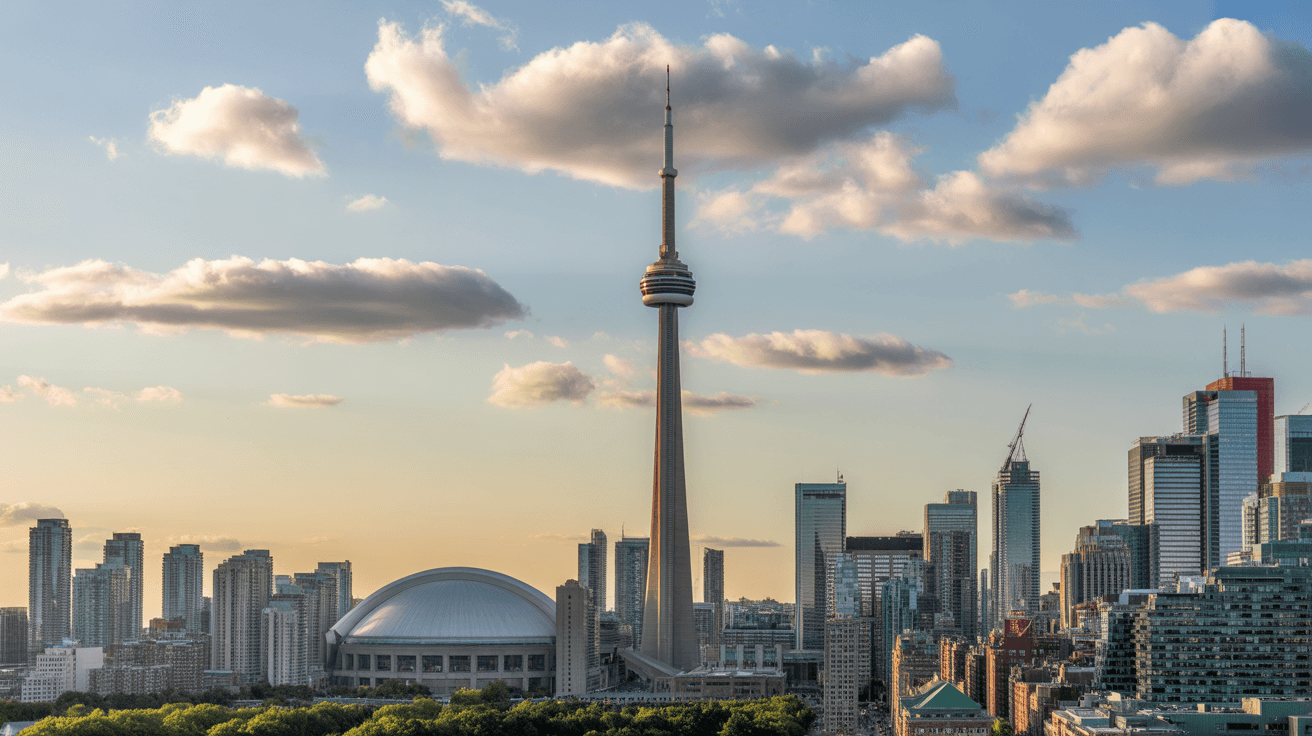
Toronto has the kind of arts scene that rewards exploration. It is not as immediately obvious as New York or London — you will not trip over a world-class gallery every three blocks — but what it lacks in density it makes up for in range. On any given week you can see a Caravaggio at the AGO, catch an experimental dance piece in a converted warehouse, laugh at a free improv show in a Kensington basement, and hear live jazz at a bar that seats forty people. The trick is knowing where to look.
The Big Institutions
These are the places that appear in every guidebook. They appear for good reason.
Art Gallery of Ontario (AGO) — The AGO is Toronto's anchor gallery, and it is genuinely world-class. The collection spans from European Old Masters through the Group of Seven to contemporary Indigenous art. The Frank Gehry-designed facade along Dundas Street is worth seeing even from outside. Wednesday evenings are free.
Royal Ontario Museum (ROM) — Part natural history, part world cultures, part architecture statement. The Michael Lee-Chin Crystal addition divided the city when it opened, but the collections inside are extraordinary. The Chinese Temple Art gallery and the bat cave are highlights that somehow coexist in the same building.
Toronto Symphony Orchestra (TSO) — Performs at Roy Thomson Hall, a building designed to look like an inverted mushroom (it works better than it sounds). The TSO under Gustavo Gimeno has become one of the most exciting orchestras in North America.
National Ballet of Canada — Shares the Four Seasons Centre for the Performing Arts with the Canadian Opera Company. The building's acoustics are exceptional, and the company performs everything from classical repertoire to bold new commissions.
Canadian Opera Company (COC) — The COC punches well above its weight internationally. The free noon-hour concerts at the Richard Bradshaw Amphitheatre are one of Toronto's best-kept cultural secrets.
Independent Galleries
This is where Toronto's art scene gets interesting.
The Power Plant — A contemporary art gallery on the waterfront at Harbourfront Centre. Always free. The exhibitions change regularly and are consistently excellent, often featuring artists you will hear about nationally two years later.
MOCA (Museum of Contemporary Art) — Located in a former industrial building in the Junction Triangle. Free on the first Sunday of each month. The space itself is beautiful — soaring ceilings, raw concrete, enormous scale.
401 Richmond — An entire building of artist studios, galleries, and cultural organisations in a converted warehouse at Richmond and Spadina. Walk from floor to floor and discover galleries, print shops, photography studios, and non-profit arts organisations.
The Bata Shoe Museum — It sounds niche, and it is. But 14,000 shoes spanning 4,500 years turns out to be far more fascinating than you might expect. Free on Thursday evenings.
Textile Museum of Canada — Another surprisingly compelling specialty museum. Rotating exhibitions on textile arts from around the world. Free on Wednesdays.
Theatre
Toronto is the third-largest English-language theatre market in the world, behind New York and London. That statistic surprises even most locals.
Mirvish Productions — The big commercial theatre company. They bring the touring Broadway shows and produce large-scale original work. The Princess of Wales Theatre and the Royal Alexandra Theatre are both beautiful venues.
Soulpepper Theatre Company — Toronto's flagship repertory company, performing at the Young Centre for the Performing Arts in the Distillery District. The programming is smart, the acting is excellent, and the venue is one of the most intimate in the city.
Tarragon Theatre — Canada's home for new play development. If you want to see Canadian stories told by Canadian playwrights, Tarragon is the place. The theatre has launched more important Canadian plays than probably any other venue.
Factory Theatre — Also dedicated to new Canadian work. The two performance spaces — one intimate, one larger — mean the programming can range from experimental to more traditional.
The Second City Toronto — Where many of Canada's best comedy performers got their start. The main stage shows are consistently funny, and the late-night improv shows are worth the price of admission.
Buddies in Bad Times Theatre — The world's largest and longest-running queer theatre. The programming is bold, the community is vibrant, and the late-night events are legendary.
Live Music
Toronto's music scene is deep and diverse. The challenge is that it is spread across dozens of venues, and finding what you want requires a bit of effort.
Massey Hall — Recently reopened after a major renovation that preserved the historic character while modernising everything that needed modernising. The acoustics were always legendary. Now the seating is comfortable too.
The Rex Hotel Jazz & Blues Bar — A Toronto institution for live jazz. Shows every night, sometimes two sets. The room is small, the musicians are world-class, and the cover is usually modest.
Lee's Palace — The indie rock venue on Bloor Street with the distinctive hand-painted mural on the facade. If it is an up-and-coming band touring North America, they are probably playing Lee's Palace.
The Horseshoe Tavern — Operating since 1947 on Queen Street West. The Horseshoe has hosted everyone from The Rolling Stones to The Tragically Hip to whatever excellent local band is playing on a Tuesday night.
The Cameron House — A tiny bar on Queen West with live music every night. The painted facade of Elvis and Patsy Cline is one of the most photographed doorways in the city. The music inside ranges from country to experimental to jazz.
The Drake Hotel — The basement venue hosts eclectic programming: DJs, live bands, comedy nights, and cultural events. The rooftop patio is excellent in summer.
Street Art and Public Art
Toronto has more public art than most residents realise.
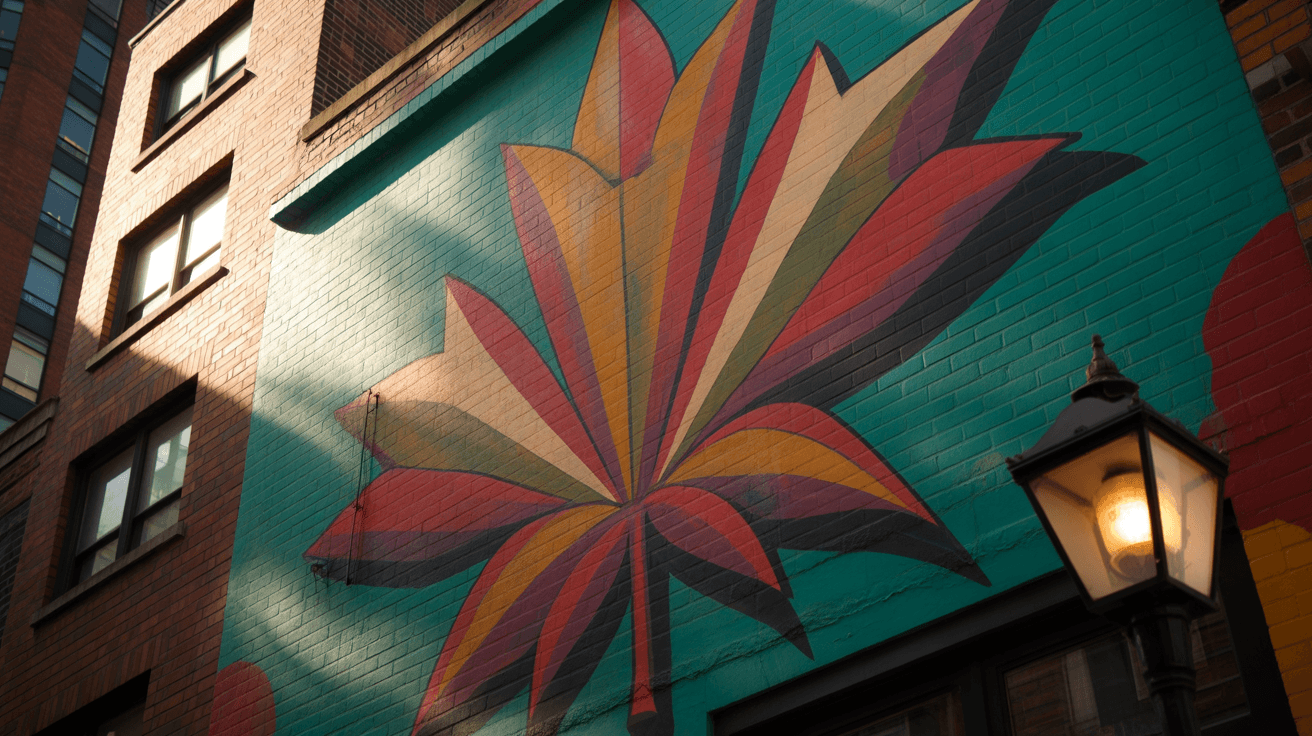
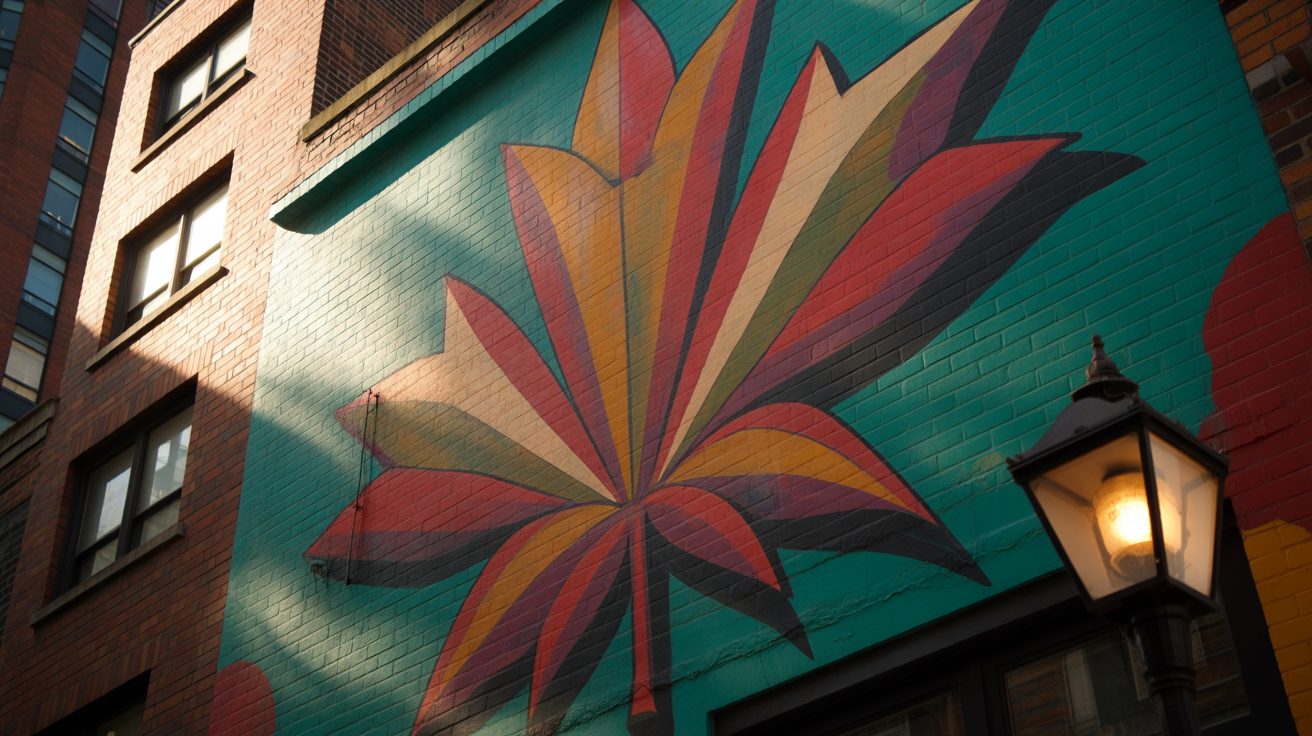
Graffiti Alley (Rush Lane) — The most famous stretch, running between Portland and Spadina south of Queen West. The murals change constantly. Go more than once.
The Bentway — The space under the Gardiner Expressway that was transformed into a public gathering place. Programming includes art installations, skating in winter, and markets in summer.
Nuit Blanche — The annual all-night art event in October that turns the entire city into a gallery. Hundreds of installations, from massive projections on buildings to intimate pieces in storefronts. Free, and absolutely worth staying up all night for.
The AGO's Grange Park — The park behind the AGO features rotating sculpture installations and is a lovely place to sit after visiting the gallery.
Film
TIFF (Toronto International Film Festival) — Held every September, TIFF is one of the most important film festivals in the world. It is where Oscar campaigns launch and where international cinema has its North American premieres. Public screenings are available, and the energy in the city during TIFF week is electric.
TIFF Lightbox — The festival's year-round home at King and John. Programming includes retrospectives, filmmaker talks, special screenings, and exhibitions. The building is worth visiting for the design alone.
Hot Docs — The world's largest documentary film festival, held in late April and early May. If you care about non-fiction storytelling, Hot Docs is essential.
The Revue Cinema — A beautifully restored 1912 theatre in Roncesvalles showing independent, classic, and cult films. The programming is curated with obvious love, and the building is gorgeous.
Literary Toronto
Toronto International Festival of Authors — Held at Harbourfront Centre, this is one of the world's premier literary festivals. The harbour setting adds something to the experience.
The Toronto Public Library — The TPL hosts hundreds of free author events, readings, and workshops every year. The Toronto Reference Library on Yonge Street is architecturally significant and worth visiting as a cultural destination in its own right.
Type Books — The bookstore in the Junction (and now also Queen West) that consistently curates one of the best selections in the city. The staff recommendations are genuinely helpful.
Ben McNally Books — A beautiful independent bookstore on Bay Street that feels like it belongs in a different era. The author events draw serious literary figures.
Dance
Toronto Dance Theatre — One of Canada's oldest contemporary dance companies, performing at its own Winchester Street Theatre in Cabbagetown.
Fall for Dance North — An annual festival presenting dance companies from around the world. Tickets are intentionally affordable, and the programming spans ballet, contemporary, street dance, and traditional forms.
How to Navigate All of This
The sheer volume can be overwhelming. Here is how locals actually approach it.
NOW Magazine — Still the best source for comprehensive weekly listings. The online listings are searchable by category.
BlogTO — Despite its polarising reputation, BlogTO's event listings are useful.
Galleries and venues email lists — Sign up for newsletters from the three or four venues that match your interests. This is the most reliable way to hear about events before they sell out.
Wednesday evenings — An absurd number of Toronto cultural institutions offer free admission on Wednesdays. The AGO, the Textile Museum, Fort York, and the Aga Khan Museum all have free Wednesday evening programs. You could build an entire cultural life around Wednesday nights.
First Thursdays and First Sundays — Several galleries coordinate their openings and free admission days around these dates.
The thing about Toronto's arts scene is that it does not announce itself. You have to seek it out. But once you start looking, you discover a city with extraordinary cultural depth — a place where a Tuesday night can include world-class jazz in a room that seats forty, and a Sunday afternoon can include a free exhibition by an artist who will be in the Venice Biennale next year. The quality is here. You just have to know where to find it.